Gambling myths exposed What every player needs to know
The Illusion of “Hot” and “Cold” Slots
One of the most persistent myths in the gambling world is the belief that slot machines can be “hot” or “cold.” Players often assume that if a machine hasn’t paid out for a while, it is “due” for a win. However, this misconception stems from a fundamental misunderstanding of how slot machines operate. Each spin is independent and governed by a random number generator (RNG), meaning previous outcomes have no effect on future results. Therefore, believing in the streaks of good or bad luck can lead to poor gambling decisions. In the context of modern gameplay, such as payid pokies, understanding odds becomes crucial.
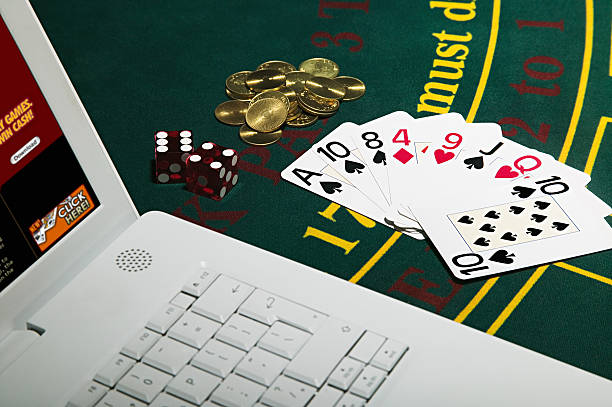
Additionally, casinos are aware of this belief and often design their slot machines to encourage players to think they are on the verge of a big win. Bright lights and celebratory sounds can mislead players into thinking they are close to hitting the jackpot. This psychological tactic can keep players invested longer than they might otherwise be, potentially leading to more losses than wins. Understanding the true nature of slot machines can help players manage their expectations.
Ultimately, the concept of “hot” or “cold” slots is a myth that can lead to misguided strategies and emotional investment in gameplay. Players should focus on the odds associated with each game and remember that winning at slots is entirely a game of chance, not skill or timing.
The Gambler’s Fallacy Explained
The gambler’s fallacy is a well-known psychological phenomenon where players believe that past events influence the probability of future outcomes in gambling scenarios. For instance, if a roulette wheel has landed on red several times in a row, players may erroneously think that black is more likely to occur next. This misconception can lead to costly mistakes, as each spin of the wheel is entirely independent of the last.
Understanding the gambler’s fallacy is crucial for every player aiming to make informed decisions. With games of chance, like roulette or lotteries, the outcomes are random, and previous results do not alter the probabilities. By recognizing that each event is independent, players can detach themselves from the emotional rollercoaster that often accompanies gambling. This awareness can lead to more rational gameplay and better financial management.
Moreover, the gambler’s fallacy can be amplified in high-stakes environments. The pressure of large sums can create a false sense of urgency, encouraging players to make illogical bets based on emotion rather than statistical reasoning. Staying grounded in the understanding of probability is essential for any player looking to improve their gambling experience and outcomes.
Chasing Losses: A Dangerous Mindset
Many gamblers fall into the trap of chasing their losses, a mindset where players attempt to recover lost money by increasing their bets. This strategy is fraught with danger and can lead to significant financial consequences. The belief that one can simply win back losses often results in a cycle of deeper losses, as the urge to recoup can cloud judgment and lead to irrational decisions.
Chasing losses often stems from emotional responses rather than logical thinking. When players experience a string of bad luck, they may feel a heightened sense of desperation, prompting them to take risks they typically would not consider. This behavior can be particularly dangerous in high-stakes environments where the risks and potential for loss are magnified. Players must recognize when they are in a losing streak and have the discipline to step away.
To combat the urge to chase losses, it is crucial for players to set limits before they start gambling. Establishing a budget and adhering strictly to it can provide a safety net and prevent emotional decision-making. Understanding that losses are a part of the gambling experience can help players maintain a healthier relationship with gaming and minimize negative financial impacts.
The Myth of Skill in Casino Games
Another common misconception among players is the belief that skill can significantly influence outcomes in games of chance. While certain games like poker and blackjack do involve a level of skill, many other casino games, such as slots and roulette, are purely based on luck. Players often overestimate their influence on the game, believing that strategies or techniques can improve their odds in games fundamentally rooted in chance.
This myth can lead to a misplaced focus on strategy, where players spend excessive time honing their skills in games that do not require them. In contrast, understanding the odds and probabilities inherent to each game type is far more beneficial. For instance, knowing the house edge can give players a clearer picture of their chances, allowing for more informed gameplay decisions.
Moreover, the overemphasis on skill in casino games can create unrealistic expectations. Players who believe they can ‘beat the house’ often find themselves frustrated when outcomes do not align with their expectations. By accepting the nature of each game—especially those based primarily on luck—players can enjoy a more relaxed and enjoyable gaming experience without the pressure of trying to outsmart the system.
Understanding Odds: A Player’s Best Friend
For any player looking to navigate the often murky waters of gambling myths, understanding odds is essential. The odds of winning in any game provide crucial insight into what players can expect from their wagers. Many casino games come with a house edge, indicating the percentage of each bet that the casino expects to keep over time. Familiarity with these odds can empower players to make strategic choices that can enhance their overall experience.
Comprehending how odds work can also help players manage their bankroll more effectively. By knowing which games offer better odds, players can allocate their funds to maximize their chances of winning. For example, games like blackjack and video poker typically offer better odds compared to slot machines, which can have a significantly higher house edge. This knowledge can help players shift their focus to games that provide a more favorable return on investment.
Ultimately, understanding odds isn’t just about winning; it’s about enhancing the enjoyment of the gaming experience. Knowledge of probabilities can lead to smarter bets and a more enjoyable atmosphere, reducing the emotional highs and lows that often accompany gambling. Players should invest time in learning about the games they play and the associated odds to make informed and strategic decisions.

Website Overview and Resources
This website serves as a comprehensive resource for players looking to debunk myths and enhance their understanding of gambling. By providing insights into the realities of various games, the site aims to empower players with knowledge that fosters a healthier and more enjoyable gambling experience. The focus on understanding odds and probabilities is fundamental to equipping players with the tools needed for responsible gaming.
In addition to myth-busting articles, the site offers resources on budgeting, game strategies, and responsible gambling practices. Players can explore various game types and their associated odds, allowing them to make informed decisions tailored to their gaming preferences. The goal is to create a community that values knowledge over superstition, leading to a more enriching gaming environment.
By fostering an environment of education and understanding, this website aims to transform the way players view gambling. With the right tools and knowledge, players can approach their gaming experiences with confidence and clarity, ultimately leading to greater enjoyment and satisfaction in their gambling journeys.