Understanding the psychology of risk-taking in casino environments
The Allure of Risk in Gambling
Risk-taking is an inherent part of the gambling experience, especially within casino environments where excitement is palpable. This allure often stems from the thrill of uncertainty and the possibility of winning big. Players are drawn to the idea of taking chances with their money in exchange for potential rewards, often overlooking the odds stacked against them. In fact, many find that utilizing a method like neosurf casino instant withdrawal australia can enhance their gaming experience. The casino atmosphere, characterized by vibrant lights, sounds, and social interaction, amplifies this desire to engage in risky behavior.
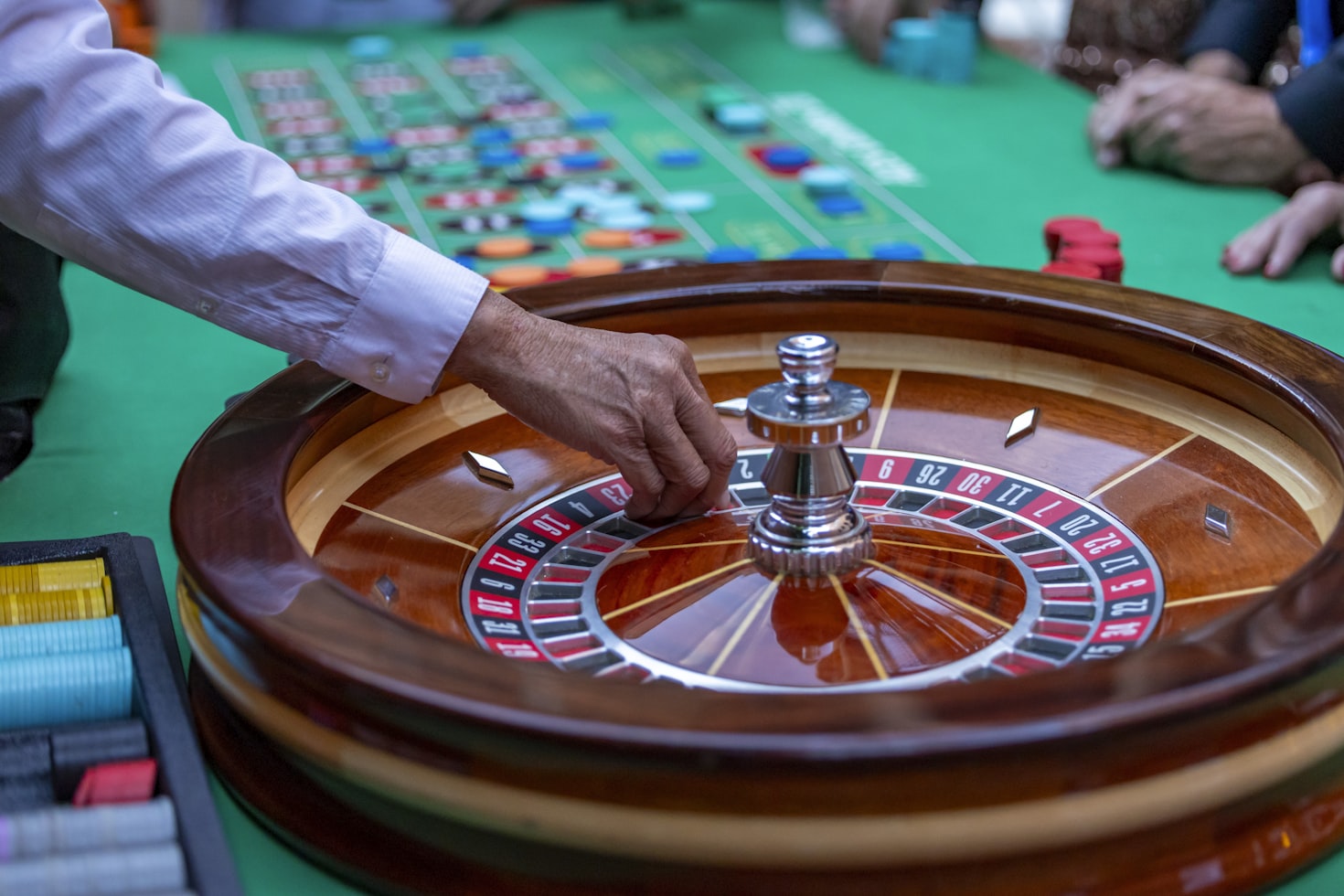
The psychology of risk-taking in casinos can be linked to various cognitive biases. For instance, the “gambler’s fallacy” leads individuals to believe that past events can influence future outcomes, particularly in games of chance. This misconception can fuel their willingness to stake more money, as they anticipate an imminent win based on previous losses. Ultimately, the environment encourages players to ignore rational thinking in favor of emotional impulses, making gambling an irresistible venture.
Moreover, social influences play a significant role in risk-taking behaviors at casinos. The presence of other players can create a sense of community and shared excitement, leading individuals to engage in riskier bets. The phenomenon of “herd behavior” illustrates how people are often swayed by the actions of those around them, further exacerbating the thrill of high-stakes gambling. These dynamics highlight the complex interplay between psychology and the casino atmosphere, influencing players’ decisions in profound ways.
The Impact of the Casino Environment
The layout and design of a casino can greatly affect a player’s willingness to take risks. Casinos are often designed to create a sense of urgency and excitement, with strategic placement of games and rewards. For example, slot machines are typically positioned in high-traffic areas to attract attention, luring players to engage in play. The ambient noise and bright lights create a stimulating environment that can trigger impulsive betting behavior, compelling individuals to risk more than they initially intended.
Lighting and sound play crucial roles in enhancing the overall gaming experience, often invoking emotional responses that can lead to increased risk-taking. The steady chime of coins or celebratory music can reinforce a positive reinforcement loop, making players feel fortunate and eager to continue betting. As they become more absorbed in the experience, their decision-making can be adversely affected, leading to riskier wagers and potential losses.
Additionally, the psychological concept of “loss aversion” can be heightened in a casino setting. Players often perceive the act of losing as more significant than the pleasure gained from winning, leading them to chase losses and gamble more. This quest for recovery can create a vicious cycle, further entrenching individuals in the risky environment. Understanding how these environmental factors influence risk-taking behaviors is crucial for both players and operators looking to create a safe and enjoyable gambling experience.
The Role of Emotions in Decision-Making
Emotions are integral to decision-making processes in casino settings. Players often experience heightened levels of excitement, joy, or anxiety when engaging in gambling activities. These emotional states can significantly impact their judgment and lead to impulsive decisions. For example, a player on a winning streak may feel invincible, prompting them to make larger bets than they normally would. Conversely, a string of losses may drive a player to take unnecessary risks in an attempt to regain their previous winnings.
The relationship between emotions and gambling extends to the coping strategies individuals employ during the gaming process. Many players use gambling as a form of escapism from daily stressors. This desire to escape can lead to increased risk-taking as they seek immediate gratification from their betting activities. Unfortunately, this emotional reliance can result in negative consequences, including gambling addiction and financial problems, showcasing the darker side of risk-taking in casinos.
Furthermore, understanding emotional triggers that prompt risk-taking can provide valuable insights into gambling behaviors. Recognizing when players are most susceptible to making poor decisions could help casinos implement responsible gaming measures. Initiatives such as self-exclusion programs or awareness campaigns can mitigate the negative impact of emotional decision-making and promote healthier gaming practices. By addressing the emotional landscape of players, both casinos and individuals can work towards fostering a more responsible gambling environment.
Strategies for Responsible Gambling
In light of the psychological factors influencing risk-taking, responsible gambling strategies are essential for mitigating potential harm. Education plays a key role, equipping players with the knowledge necessary to make informed decisions. Understanding the odds of various games, recognizing the signs of problem gambling, and setting personal limits can help players maintain control over their gambling habits. Casinos can also support responsible gaming by providing resources and encouraging discussions about safe play.
Incorporating features that promote self-awareness is another effective strategy for minimizing risky behaviors. Many online platforms offer tools that allow players to set deposit limits, track their gambling activity, and receive notifications when they reach certain thresholds. These measures can help players remain cognizant of their spending habits and encourage them to take breaks when necessary. The goal is to foster a culture of responsible gambling where players feel empowered to make mindful choices.
Ultimately, the collaboration between casinos and players is crucial in creating a safer gambling environment. Casinos can take proactive measures, such as offering workshops and seminars focused on the psychology of risk-taking, to educate players about the mental aspects of gambling. By addressing these issues collectively, the industry can work towards reducing the prevalence of gambling-related harm while still allowing individuals to enjoy the thrill of the game.

Enhancing Your Online Gaming Experience
For players seeking to engage in responsible gambling while enjoying the thrill of online casinos, platforms like Neosurf Casino Australia offer a unique combination of security and excitement. With a range of casinos that accept Neosurf payments, players can enjoy seamless transactions while focusing on their gaming experience. The site’s curated list of top-rated casinos ensures that players find reputable platforms, fostering a safer gambling environment.
Neosurf enhances the online gambling journey by providing instant deposits, bonuses, and quick withdrawals, allowing players to immerse themselves in their favorite games without unnecessary delays. This payment method adds a layer of convenience and security, catering to the preferences of Australian players. The focus on user experience further complements the discussion on responsible gambling by prioritizing player well-being and satisfaction.
Ultimately, understanding the psychology of risk-taking in casino environments is essential for players looking to navigate the gambling landscape responsibly. By being aware of the factors at play and utilizing platforms that promote safe gaming, individuals can enjoy the thrill of risk without compromising their well-being. Embracing a balanced approach will lead to a more fulfilling and secure gambling experience in the ever-evolving world of online casinos.